
Standards of inquiry
Scope and evidence
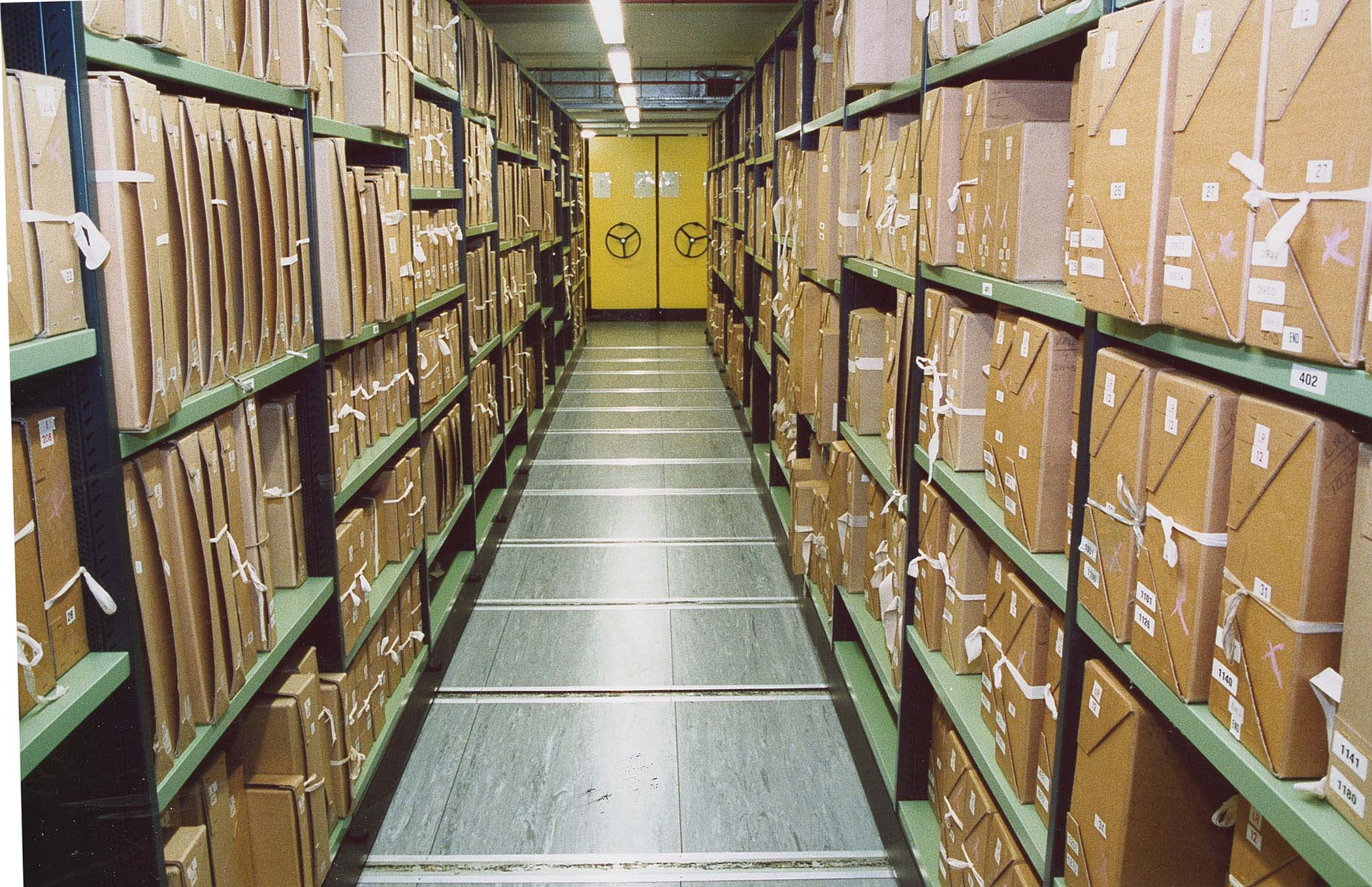
We define the question under examination and the limits of the inquiry. Material factual statements are connected to supporting records, with attention to their origin, date and context.
A source is considered for what it establishes. Missing information, inconsistencies and unresolved accounts are identified where they affect the conclusion.
Evaluation and fairness
We distinguish documented events from reported accounts, allegations and interpretation. Relevant contrary information and plausible alternative explanations are considered in assessing the record.
The degree of confidence expressed in a conclusion should reflect the strength and completeness of its support.
Independence
The selection and conduct of work must remain independent of demands for a particular finding. Relevant interests and potential conflicts are considered when accepting support or professional participation.
Correction and review

A material error calls for correction. A challenge to published work should identify the statement at issue and the evidence supporting the proposed correction. Substantive corrections should be identifiable to readers.
New information may require a revised conclusion or further inquiry. Reviewing the record remains part of the responsibility for the work.
Practical consequences
Recommendations should explain the problem they address, the means by which they are expected to help and the conditions required for implementation. Evaluation should consider whether the response addresses the underlying issue.
Responsible handling of information
Information is handled according to its sensitivity, relevance and intended use. Public material is prepared with attention to accuracy, privacy and the interests affected by release.